
Home composting is the process of recycling food scraps and garden waste into nutrient-rich compost that improves soil, reduces landfill waste, and supports sustainable living. Composting at home helps you cut household rubbish, save money on fertiliser, and create healthier plants—all with minimal effort.
Table of Contents
- Why Composting Matters More Than Ever
- What Is Composting?
- Top Benefits of Composting at Home
- How Composting Works (Simple Breakdown)
- Different Ways to Compost at Home
- What You Can and Cannot Compost
- How to Start Composting Today (Beginner Steps)
- Common Mistakes to Avoid
- Conclusion
- FAQs
Why Composting Matters More Than Ever
Problem: Every day, you throw away food scraps, peels, and leftovers that end up in landfills. This creates methane—a potent greenhouse gas—and contributes to rising waste management costs.
Agitation: It feels wasteful, doesn’t it? You want to be more eco-friendly, but the idea of composting sounds complicated, messy, or time-consuming. Maybe you think you need a big backyard. Maybe you worry about smells. Or maybe you simply don’t know where to start.
Solution: The truth is, composting is one of the easiest, lowest-effort habits you can adopt to live sustainably, save money, and reduce your environmental footprint. And you don’t need special skills—just the right guidance.

What Is Composting?
Composting is a natural process where organic waste—like food scraps and garden trimmings—breaks down into a dark, crumbly material called compost. This compost enriches soil, supports plant health, and reduces reliance on chemical fertilisers.
Think of compost as nature’s recycling system. You give it waste; it gives you back valuable nutrients.
Top Benefits of Composting at Home

Composting isn’t just an “eco trend.” It delivers real, measurable benefits for the environment, your home, and your garden.
1. Environmental Benefits
Reduces Landfill Waste
Up to 30–50% of household waste is organic material. Composting diverts this from landfills and reduces methane emissions.
Cuts Greenhouse Gases
Food scraps in landfills decompose without oxygen, releasing methane. Composting introduces oxygen and prevents methane formation.
Supports Sustainable Living
Every batch of compost is a step toward a circular, low-waste lifestyle—something you can feel genuinely proud of.
2. Household & Financial Benefits
Lowers Waste Management Costs
With less rubbish, bins fill more slowly. This can reduce rubbish collection frequency or overflow fees in some areas.
Saves Money on Garden Products
Compost acts as:
- A natural fertiliser
- A soil conditioner
- A moisture-retaining additive
That means fewer store-bought products.
Reduce Smells in Your Bin
When food waste goes into your compost instead of your trash, your rubbish bin becomes cleaner and far less smelly.
3. Gardening Benefits
Improves Soil Health
Compost adds organic matter, improving texture, aeration, and moisture retention. Once your compost is ready, you can use it to enrich the soil for home-grown vegetables — imagine harvesting leafy greens like kale and enjoying the full nutrition described in this guide on growing and using kale safely. Composting at home closes the loop from kitchen scraps → soil → healthy produce.
Boosts Plant Growth
Plants grown in compost-rich soil tend to be healthier, more vibrant, and more resistant to pests. If you are also considering what to plant on your lawn or how to improve garden soil, you might find this piece on choosing soft-leaf buffalo grass for a low-maintenance lawn helpful — the healthy compost you produce can feed and support a lush, eco-friendly lawn without heavy chemical fertilisers.
Reduces Watering Needs
Healthy soil holds water better, meaning less frequent watering—especially valuable in dry climates.
How Composting Works (Simple Breakdown)
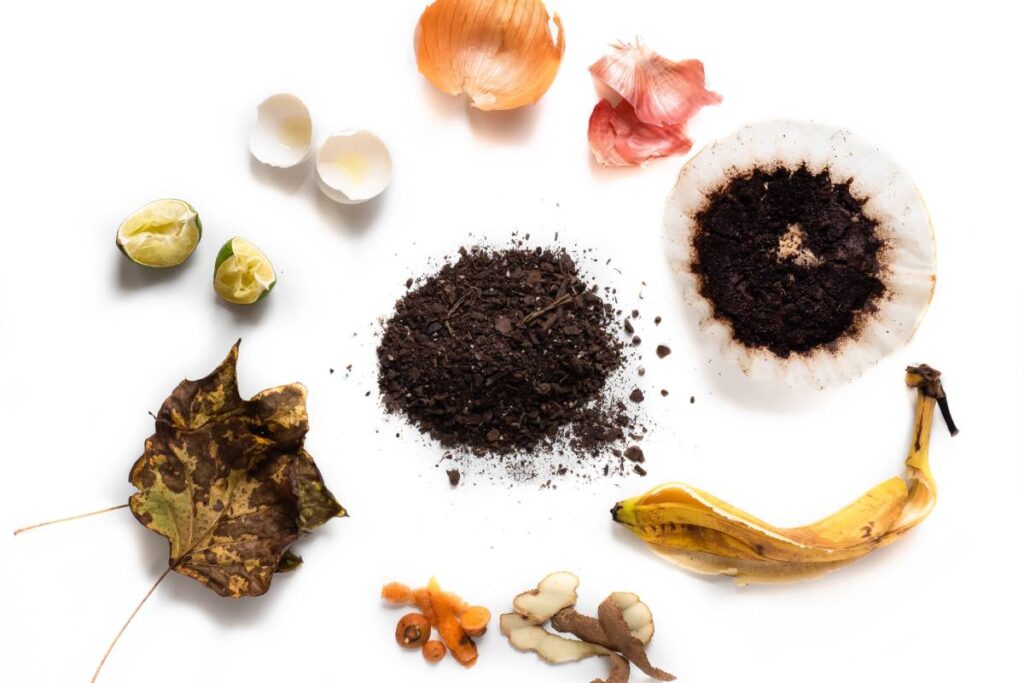
Composting relies on three biological ingredients:
1. Browns (Carbon-rich materials)
Examples: dry leaves, shredded paper, cardboard, wood chips.
Carbon provides energy for microbes during decomposition.
2. Greens (Nitrogen-rich materials)
Examples: food scraps, coffee grounds, fresh lawn clippings.
Nitrogen helps microbes grow and reproduce.
3. Air & Moisture
Microorganisms need oxygen and humidity to work efficiently.
Balance is key:
A good compost mix is roughly 2/3 browns and 1/3 greens.
Different Ways to Compost at Home
You don’t need a garden or backyard—there’s a method for every lifestyle.
1. Traditional Compost Bin
Best for: houses with outdoor space
Pros: simple, low-maintenance
Cons: slower decomposition
2. Tumbling Composters
Best for: busy households wanting faster compost
Pros: easy to aerate, quicker results
Cons: slightly more expensive
3. Bokashi Bins (Indoor Fermentation)
Best for: apartments
Pros: can compost meat/dairy
Cons: requires Bokashi bran and separate soil incorporation
4. Worm Composting (Vermicomposting)
Best for: kitchen waste, small spaces
Pros: produces high-quality worm castings
Cons: worms require temperature control
5. Electric Food Waste Composters (Fastest Indoor Method)
If you want the quickest, cleanest, and most convenient way to compost indoors, electric composters are becoming the go-to choice.
One standout option is Hass Electric Food Waste Composters, designed to break down kitchen waste in hours instead of weeks or months. They are perfect for people who:
- live in apartments
- want compost without smells
- prefer a plug-and-play solution
- produce small but steady amounts of kitchen waste
These devices heat, aerate, and grind food scraps into a dry, soil-like amendment your plants will love—no pests, no turning, and no outdoor space required.
What You Can Compost (and What to Avoid)

Green Materials (Nitrogen)
- Fruit & vegetable scraps
- Coffee grounds
- Tea bags (plastic-free)
- Fresh grass clippings
- Plant trimmings
Brown Materials (Carbon)
- Cardboard
- Paper towels
- Dry leaves
- Wood chips
- Shredded paper
Avoid Composting:
- Meat, dairy (unless using Bokashi)
- Oily foods
- Diseased plants
- Pet waste
- Large branches
How to Start Composting Today (Beginner Steps)
Getting started is easier than you might think.

Step 1: Choose Your Method
Select a bin or system based on your space and lifestyle.
Step 2: Prepare Your Base Layer
Add a thick layer of browns—such as cardboard or dry leaves.
Step 3: Add Food Scraps & Garden Waste
Alternate greens and browns. Aim for more browns to avoid smells.
Step 4: Keep It Moist
The compost should feel like a wrung-out sponge.
Step 5: Turn It Occasionally
Aerate the mix every 1–2 weeks to speed decomposition.
Step 6: Harvest Your Compost
In 6–12 weeks (tumbler) or 3–6 months (traditional bins), you’ll have rich, dark compost ready to use.
Common Composting Mistakes to Avoid
1. Adding Too Many Greens
This causes smells. Neutralise with browns.
2. Letting the Pile Dry Out
Microbes stop working. Mist lightly with water.
3. Using Plastic-Coated Paper
It won’t break down and contaminate compost.
4. Forgetting to Aerate
Without oxygen, your compost turns anaerobic and smelly.
5. Expecting Instant Results
Composting is natural—it takes time, but it’s worth it.
Conclusion
Composting at home isn’t just about reducing waste—it’s about taking control of your environmental impact, improving your soil, and creating a healthier, more sustainable household.
It’s one of the simplest habits with the biggest long-term benefits.
So here’s the real question:
Are you ready to turn your waste into something valuable and make a meaningful impact today?
FAQs
Q1: Does composting smell?
A properly balanced compost (more browns than greens) should smell earthy, not foul.
Q2: How long does compost take to be ready?
Depending on the method, compost can take 6 weeks to 6 months.
Q3: Can I compost indoors?
Yes! Bokashi bins and worm farms are perfect for indoor composting.
Q4: Do I need a big backyard to compost?
Not at all—apartment-friendly systems work even in small kitchens.
Q5: What if I don’t have enough brown materials?
You can use shredded paper, cardboard, or dried leaves stored in a bag for later use.